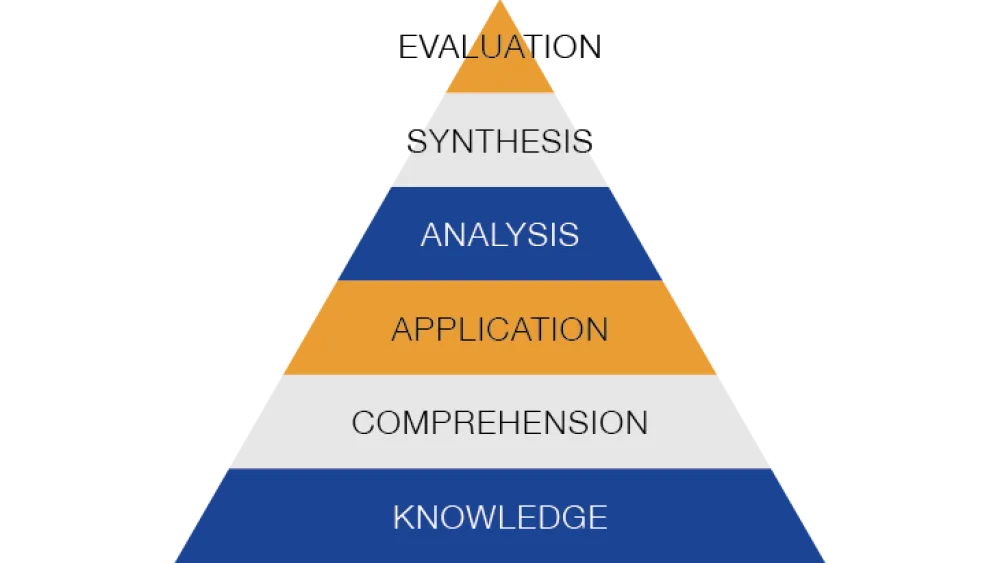
The important aspect of this being a hierarchy is that you have to progress through each level to attain the next level.
Successful project and programme managers achieve success by attaining the analysis and synthesis levels but they can only reach those levels of competence by first progressing through knowledge, comprehension and application. It is in these initial levels where short course certifications come into play.
Examples of knowledge level certifications include Praxis Framework Foundation, PRINCE2 Foundation, the PFQ from the APM and CAPM from the PMI. These certifications demonstrate that someone can recall information about the discipline of project (and sometimes programme) management.
Comprehension of that knowledge is demonstrated by practitioner level certifications such as Praxis Framework Practitioner, PRINCE2 Practitioner, the PMQ from the APM and the PMP exam from the PMI.
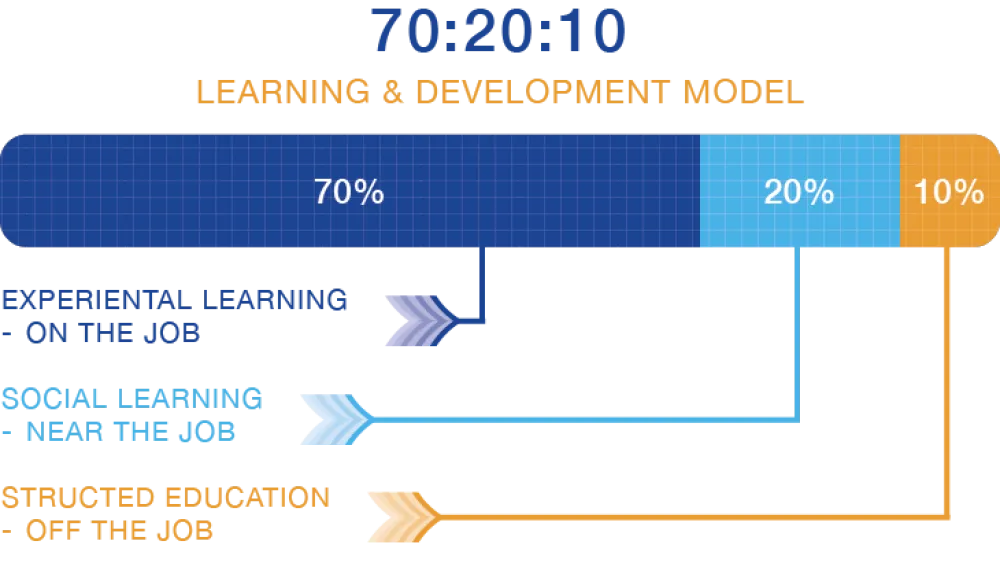
Knowledge and comprehension can, therefore, be achieved in the classroom. The next step requires you to actually apply that understanding in the workplace. In fact, the 70:20:10 learning model (developed by McCall, Lombardo and Eichinger in the 1980s) indicates that the vast majority of learning occurs in the workplace.